
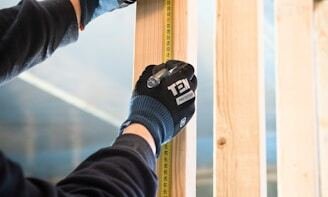
Carpentry is one of those trades that quietly shapes how a home feels. From the solidity of a staircase to the clean line of skirting boards, good carpentry adds structure, function, and finish—often in ways you notice subconsciously every day. Whether you’re renovating a single room or upgrading an entire property, well-planned carpentry works can transform both the look and usability of your space.
This blog breaks down what carpentry works typically involve, where they add the most value, how to plan them effectively, and what to look for when hiring a professional.
What Are Carpentry Works?
“Carpentry works” is a broad term that covers the supply, construction, installation, repair, and finishing of timber and timber-based components in a building. In homes, carpentry usually falls into two categories:
First-fix carpentry: structural or behind-the-scenes work completed before plastering and decorating.
Second-fix carpentry: visible, finishing work that gives rooms their final shape and detail.
Both matter. First-fix creates the framework that everything relies on; second-fix is where the craftsmanship shows.
Common Carpentry Jobs in Residential Homes
1) Doors, Frames, and Ironmongery
Internal doors are used constantly, so quality installation makes a huge difference. A good carpenter will ensure doors are aligned, close smoothly, and sit neatly in their frames.
Typical scope includes:
hanging internal and external doors
fitting door linings and architraves
installing handles, locks, hinges, and latches
adjusting doors that stick or catch due to movement over time
Small details—like consistent handle height, crisp architrave joints, and clean hinge recesses—create a noticeably more professional finish.
2) Skirting Boards, Architraves, and Trim
Skirting and trim do more than “finish the edges.” They protect walls from knocks, hide gaps, and give rooms a polished, architectural look.
Carpentry work here can include:
skirting boards (MDF, softwood, hardwood)
door and window architraves
dado rails, picture rails, and panelling trims
boxing-in pipework with removable access where needed
In period homes, matching profiles can maintain character. In modern homes, simpler profiles often suit clean lines.
3) Built-In Storage and Bespoke Joinery
This is where carpentry often delivers the biggest lifestyle upgrade. Bespoke joinery can be tailored to your space and routines, making homes more organised and visually cohesive.
Popular projects include:
integrated wardrobes and dressing rooms
alcove cupboards and shelving
media walls and TV units
under-stair storage
window seats with storage
home office desks and shelving
The benefit is twofold: you gain storage and you reduce visual clutter, which makes rooms feel larger and calmer.
4) Kitchens and Utility Areas
Kitchen fitting is often a mix of carpentry and technical coordination. Carpenters can:
install base and wall units
fit worktops (depending on material)
create end panels, fillers, and scribe joints
build appliance housings
fit plinths, cornices, and light pelmets
A professional kitchen installation is as much about precision as it is about looks—alignment, door gaps, and well-finished edges matter.
5) Flooring and Stairs
Flooring installation affects comfort, durability, and sound. Carpentry flooring work can include:
installing timber or engineered wood floors
laying joists and subfloors
repairing creaky floorboards
fitting thresholds and trims
Staircase work may involve:
stair repairs and reinforcement
fitting new treads/risers (including cladding existing stairs)
handrails, spindles, and balustrades
bespoke stair storage
Because stairs are both functional and highly visible, good workmanship here makes a strong impact.
6) Structural and First-Fix Carpentry
First-fix isn’t always visible, but it’s vital—particularly in extensions, loft conversions, and larger refurbishments.
This can include:
stud walls and partitions
joists, noggins, and structural timber framing
roof timbers (in some projects)
door linings and framing for openings
boxing for services and pipe routes
Good first-fix carpentry supports straight walls, tidy plastering, and smooth installation later.
Why Quality Carpentry Is Worth It
It improves how your home functions
Better storage, smoother doors, safer stairs, and stronger structures—these are daily-life upgrades, not just cosmetic changes.
It elevates the finish of a renovation
Even with premium paint and tiles, uneven trims and poor joints can make a room feel “unfinished.” Crisp carpentry details create that professional, high-end look.
It can save money long-term
Well-fitted doors reduce wear, properly built storage lasts longer, and correct first-fix work reduces problems later (like cracking, movement, and awkward gaps).
Planning Carpentry Works: Practical Tips
1) Decide what’s standard vs bespoke
Not everything needs to be custom-made. A good approach is to choose standard solutions where they work—and invest in bespoke joinery where it adds real value (awkward spaces, storage needs, statement features).
2) Think about the full room, not one item
Carpentry works best when it’s coordinated with:
lighting (especially for shelving and wardrobes)
electrics (sockets inside cupboards, media walls)
decorating (paint finishes, caulking lines)
flooring levels and thresholds
Planning early prevents expensive rework.
3) Choose materials that fit the location
For example:
MDF is stable and great for painted skirting/trim, but avoid it where it may get wet.
Softwood is versatile and often cost-effective, but may dent more easily.
Hardwood is durable and premium, ideal for stairs and high-impact areas.
Plywood can be excellent for carcasses and painted joinery when chosen well.
A professional carpenter will recommend materials based on durability and finish—not just appearance.
4) Confirm the finish level upfront
Carpentry scope can vary: some quotes include full filling, sanding, and paint-ready finishes; others are “fit only.” Be clear on what you’re paying for so expectations match reality.
Hiring a Carpenter: What to Look For
A skilled carpenter isn’t just good with tools—they’re good at planning, communication, and problem-solving.
Look for:
a portfolio of similar work (not just one great photo)
tidy joints, clean lines, and consistent spacing in past projects
clear quotes that list scope, materials, and finishing
realistic scheduling and good communication
willingness to discuss options when challenges arise
Ask practical questions like:
“How do you handle uneven walls and floors?”
“What’s included in the finishing—filling and sanding?”
“Can you match existing skirting/architrave profiles?”
“What’s your approach to dust control and protecting floors?”
Final Thoughts: Carpentry Is the Backbone of a Polished Home
Carpentry works are often the difference between a renovation that looks “good” and one that feels truly finished. From structural framing to final trims, craftsmanship shows in the details—and those details shape how your home feels every day.