
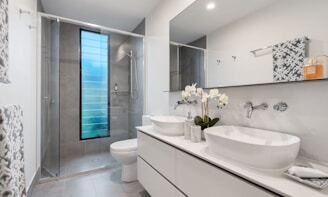
A bathroom refurbishment can completely change the feel of a home. It’s where you start the day, where you reset after work, and—if it’s done right—where everything quietly works without you thinking about it. But bathrooms are also one of the most technical rooms to renovate: water, electrics, ventilation, and finishes all need to play nicely together.
This blog covers the key decisions that lead to a successful bathroom refurbishment, from planning and layout to waterproofing, fixtures, lighting, and the finishing touches that make the whole room feel intentional.
Start With Function, Then Make It Beautiful
It’s easy to get swept away by Pinterest-perfect bathrooms, but the best refurbishments begin with simple questions:
Who uses this bathroom—and how?
Do you need a bath, a shower, or both?
What’s currently annoying (poor storage, weak shower pressure, mould, cold tiles, awkward layout)?
Is accessibility a factor now—or likely in the next few years?
A bathroom is a high-use space. The goal is to make it effortless: easy to clean, pleasant to use, and designed around your routines.
Layout: Small Changes Can Make a Big Difference
Bathrooms often have limited space, which is why layout matters so much. Even a few centimetres can affect how comfortable the room feels.
Keep the “wet” and “dry” zones clear
A smart bathroom design separates splash areas (shower/bath) from dry areas (toilet, vanity storage). This reduces moisture problems and makes the room easier to maintain.
Consider the flow
Ask yourself:
Can the door open without banging into fixtures?
Is there enough space in front of the toilet and basin?
Can two people use the room without awkward shuffling?
The hidden benefit of a good vanity
A well-sized vanity unit does two jobs: it creates storage and visually anchors the room. Wall-hung vanities can also make smaller bathrooms feel bigger by showing more floor.
Waterproofing and Prep Work: Don’t Cut Corners Here
This is the part that isn’t glamorous—but it’s the part that protects your home.
Tanking and wet-room protection
If you’re refurbishing a shower area or creating a wet room, proper waterproofing (tanking membranes, appropriate boards, and sealed joints) is essential. Skipping this can lead to leaks, damaged subfloors, mould, and costly repairs.
Subfloors and walls need to be right
Bathrooms amplify imperfections. Uneven walls can make tiling look messy. Unstable floors can cause grout cracking. Good tradespeople spend time on preparation because it affects every finish that comes after.
Fixtures and Fittings: Choose What Suits Your Real Life
The best bathroom fixtures are the ones you don’t have to think about. When selecting, consider durability, maintenance, and how the room is used.
Shower vs bath: make it intentional
If you rarely use a bath, a larger walk-in shower can feel like a luxury upgrade.
If you have kids (or love a soak), keeping a bath may be worth prioritising.
Some homes benefit from a shower-over-bath layout, but be honest about whether it’s a compromise you’ll regret.
Taps, valves, and pressure
Beautiful brassware means nothing if the shower is disappointing. Check your water pressure and system compatibility early. This is especially important if you’re considering rainfall shower heads, body jets, or multiple outlets.
Wall-hung toilets: sleek and easier to clean
Wall-hung WCs look modern and make floor cleaning simpler. They do require a concealed frame, so they’re easiest to install during a full refurbishment.
Tiles and Surfaces: Style Meets Practicality
Tiles set the tone of a bathroom. They also influence safety and maintenance.
Choose slip resistance where it matters
Bathroom floors—especially in family bathrooms or wet rooms—benefit from more slip-resistant finishes. High-gloss tiles can look stunning but may be slippery when wet.
Large-format tiles: a cleaner look
Large tiles often create a more modern, seamless feel with fewer grout lines. They can work brilliantly, but they also need very flat surfaces and careful installation.
Grout matters more than people think
Grout colour and type affect both appearance and upkeep. Stain-resistant grout options can make a bathroom significantly easier to keep looking fresh.
Storage: The Secret to a Calm Bathroom
A cluttered bathroom never feels luxurious—no matter how nice the tiles are. Even small bathrooms can feel organised with the right storage choices.
Smart storage ideas include:
mirrored cabinets (medicine cabinets) for hidden storage
vanity drawers instead of cupboards (easier access)
recessed shower niches for toiletries
tall slim units for towels and bulkier items
integrated laundry baskets in larger bathrooms
The aim is to keep surfaces clear, which makes the room look cleaner and feel bigger.
Lighting: Make It Flattering and Functional
Bathrooms need lighting that works for real tasks—shaving, makeup, skincare—while still feeling relaxing.
A strong lighting plan usually includes:
ambient lighting: overall brightness
task lighting: ideally on both sides of the mirror to reduce shadows
accent lighting: niche lighting, vanity under-glow, or soft wall lights for spa vibes
And don’t forget: bathroom lighting must be safe and appropriately rated for zones.
Ventilation and Heating: The Comfort Upgrades You’ll Love
If your current bathroom struggles with condensation, mould, or cold mornings, this is where your refurbishment can shine.
Ventilation is non-negotiable
A properly sized extractor fan (and correct ducting) prevents humidity build-up, protects finishes, and helps stop mould. Quiet fans with humidity sensors are a popular upgrade because they run automatically when needed.
Heating options worth considering
heated towel rails (practical and cosy)
underfloor heating (especially good with tiles)
upgraded radiators or dual-fuel options (useful year-round)
A warm bathroom feels instantly more premium, even if the design is simple.
Budgeting: Spend Where It Protects You
Bathroom refurbishments can vary widely in cost depending on size, layout changes, tiling scope, and fixture quality. But one rule stays consistent:
Prioritise the parts that prevent future problems.
High-value investments include:
waterproofing and prep
quality plumbing and installation
ventilation
durable fixtures and taps
good tiling work
If you’re managing costs, you can often save by simplifying tile choices, keeping the layout similar, or choosing mid-range fixtures with a clean, timeless look.
The Refurbishment Process: What to Expect
A typical professional bathroom refurbishment follows a logical sequence:
Design and specification (layout, fixtures, finishes)
Strip-out (remove old suite and tiles)
First fix (plumbing, electrics, ventilation)
Preparation (walls, floors, waterproofing)
Tiling and flooring
Second fix (install toilet, vanity, shower/bath, taps)
Finishing (sealant, paint, accessories, snagging)
Good project management is crucial because bathrooms involve multiple trades and very little margin for error.
Final Thoughts: A Bathroom That Feels Like a Daily Upgrade
A well-executed bathroom refurbishment is one of those changes you feel every day. It can make mornings smoother, evenings calmer, and the whole home feel more polished.
If you plan around function, invest in waterproofing and ventilation, choose fixtures that suit your lifestyle, and nail the lighting, you’ll get a bathroom that’s not just attractive—but genuinely easy to live with.