
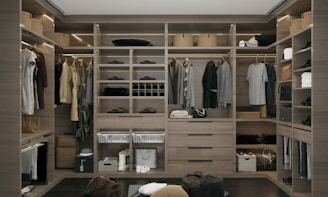
If you’ve ever looked around a bedroom and thought, “Where does all this stuff even go?”—you’re not alone. Storage is one of those things that quietly shapes how calm (or chaotic) a home feels. That’s why integrated wardrobes have become such a popular upgrade: they maximise space, look seamless, and can be tailored to the way you actually live.
In this blog, we’ll cover what integrated wardrobes are, why they’re worth considering, the design options available, and the practical details that make the difference between “nice idea” and “best decision I made this year.”
What Are Integrated Wardrobes?
Integrated wardrobes (also called built-in or fitted wardrobes) are storage units designed to sit flush within a room—often from floor to ceiling and wall to wall. Unlike freestanding wardrobes, they’re built around the shape of your space, which means they can make use of awkward corners, sloping ceilings, alcoves, and unused wall runs.
The end result is a wardrobe that looks like it was always meant to be there—neater, more intentional, and usually far more efficient.
Why Homeowners Love Integrated Wardrobes
1) They maximise every centimetre
Freestanding wardrobes almost always waste space: above the unit, behind it, and at the sides. Integrated wardrobes can be designed to use that “dead” space—especially helpful in smaller bedrooms or period properties with alcoves.
2) They create a cleaner, calmer look
Because they can sit flush with the wall and match your interior style, fitted wardrobes reduce visual clutter. Minimal lines, fewer gaps, and a cohesive finish can make a bedroom feel bigger and more relaxing.
3) They’re completely custom inside
This is the real magic. Your storage can be designed around your wardrobe habits:
more hanging space for dresses or shirts
double-hang rails for efficient everyday storage
deep drawers for knitwear or gym gear
dedicated shoe shelves
pull-out accessories trays
integrated laundry sections
No more fighting a generic layout that doesn’t match your life.
4) They can increase perceived value
While every buyer is different, built-in storage often makes bedrooms feel more “finished” and functional—especially in homes where space is tight. It’s one of those upgrades that photographs well and makes viewings feel effortless.
Design Options: Making Integrated Wardrobes Look Amazing
Integrated doesn’t mean boring. In fact, fitted wardrobes can become a design feature.
Door styles to consider
Shaker: classic, timeless, works in period and modern homes
Flat-panel/slab: minimalist and contemporary
Handleless: ultra-clean lines, often with push-to-open or finger pulls
Framed glass: sleek, boutique-hotel vibe (best for tidy people or for “display” sections!)
Finish choices
Painted: easiest for colour matching and a tailored look
Wood veneer: adds warmth and texture
Laminate: durable, easy-clean, and budget-friendly
Mirrored panels: great for smaller rooms—reflect light and visually expand space
If you want a high-end feel, consider matte finishes, discreet hardware, and a colour that complements walls rather than fighting them.
The Inside Matters More Than the Outside
It’s tempting to focus on doors first, but internal layout is what you’ll interact with every day. A good integrated wardrobe design starts with how you store your stuff.
A practical way to plan it
Split your clothes and items into categories:
long-hang (coats, dresses)
short-hang (shirts, jackets)
folded items (jumpers, jeans)
small items (socks, underwear, belts)
shoes
bags
seasonal storage (suitcases, duvets)
Then design the interior so each category has a logical home. It sounds basic, but it’s the difference between a wardrobe that stays organised… and one that becomes a doom cupboard with very fancy doors.
Integrated Wardrobes for Tricky Spaces
One of the biggest wins with fitted wardrobes is what they can do in rooms with awkward geometry.
Loft bedrooms and sloped ceilings
Fitted wardrobes can follow the slope, creating usable storage where freestanding furniture simply can’t. Think low drawers and shelving near the eaves, with hanging space where ceiling height allows.
Alcoves in period properties
Alcove wardrobes are popular because they look “built in” and preserve symmetry around beds or chimneys. They’re also a great way to add storage without dominating the room.
Box rooms and narrow bedrooms
Sliding doors can be a game-changer here, because you don’t need clearance space for doors to swing open.
Sliding vs Hinged Doors: Which Should You Choose?
Hinged doors
Pros: full access to the wardrobe, easy to add door organisers, often more cost-effective
Cons: need space to open, not ideal in tight rooms
Sliding doors
Pros: great for smaller spaces, sleek modern look
Cons: you can only access part of the wardrobe at once, track mechanisms need quality fitting
If your bedroom is compact, sliding doors often make sense. If you want maximum accessibility and classic styling, hinged tends to win.
Little Details That Elevate the Whole Wardrobe
The difference between “nice wardrobe” and “wow, this feels premium” is usually in the details:
Soft-close hinges and drawer runners (you’ll notice every day)
Internal lighting (LED strips triggered by opening doors are a luxury upgrade)
Pull-out shoe racks and trouser rails
Velvet-lined jewellery trays
Integrated mirrors inside doors
Charging drawers for watches, phones, or grooming tools
If budget allows, choose one or two features that genuinely improve your routine, rather than spreading money thinly across lots of “extras.”
Installation Considerations: What to Know Before You Start
Integrated wardrobes are a joinery job, and the finish depends heavily on good measuring and fitting.
Key things to think about
Walls and floors might not be perfectly straight (especially in older homes). Skilled fitters plan around this.
Ceiling height and coving can affect how “built in” the wardrobe can look.
Electrics: if you want internal lighting, plan wiring early.
Ventilation: in some bedrooms, a small gap or venting can help prevent musty corners.
A professional will usually do a site survey before finalising the design—because a few millimetres matter a lot in fitted work.
Final Thoughts: The Upgrade That Makes Your Home Feel More “Done”
Integrated wardrobes are one of those improvements that quietly level up your everyday life. They make rooms feel calmer, more spacious, and more considered—while solving the practical problem of where everything goes.
If you plan them around your habits (not just aesthetics), choose quality hardware, and get the layout right, you’ll end up with storage that works with you instead of against you.